UNP Insight • Photography • Image Provenance • Platform Terms • AI
Meta’s Proposed Business Terms Are Under CMA Investigation — Why Photographers Should Pay Attention
The Competition and Markets Authority has opened a formal investigation into Meta’s proposed commercial terms for businesses using its platforms and services. For photographers, one detail stands out: the terms described by the CMA concern content on business and publisher websites, not only material uploaded directly to Facebook or Instagram.
Professional photography is commissioned to travel. Once it appears on a client’s website, it can sit inside a wider environment of platform accounts, crawlers and commercial terms. The CMA investigation does not establish misuse of photographs. It raises a question about how far those wider platform relationships may reach.
- What happened
- On 30 October 2026, the CMA opened an investigation under Chapter II of the Competition Act 1998 into Meta’s commercial terms for businesses using its platforms and services.
- What the CMA says
- The proposed terms could allow Meta to collect content from business and publisher websites and use it to develop and provide products and services, including AI features.
- What has not been decided
- The CMA says no decision has been made that Meta has broken competition law. The case is open and evidence gathering is under way.
- Current status
- Meta delayed the planned changes and then paused the rollout on 28 October pending consultation with industry groups.
- Why photography matters
- Commissioned photographs commonly remain on client and publisher websites for years, long after the original assignment and delivery.
- UNP evidence
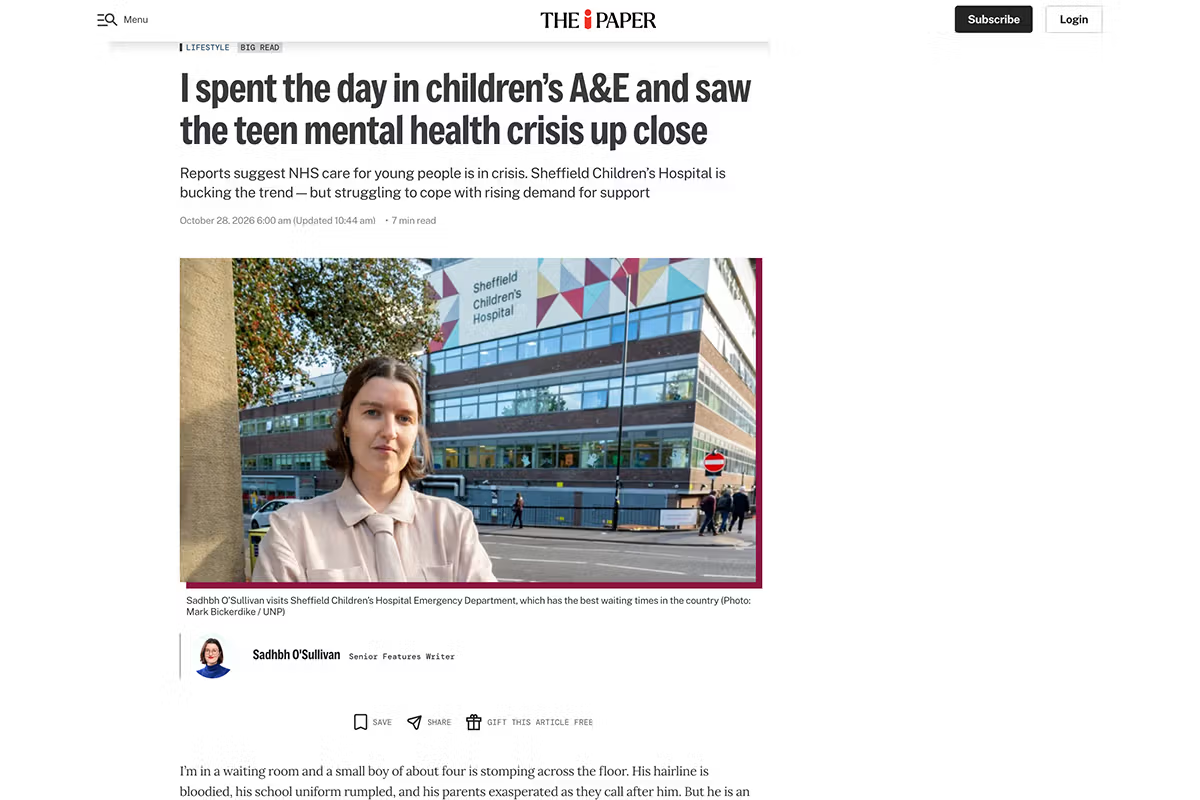
- This Insight uses real examples of commissioned UNP photography published across client and publisher websites.
30 October 2026 • Competition Act 1998 • Open investigation
What the CMA is investigating — and what it has not concluded
On 30 October 2026, the Competition and Markets Authority opened a formal investigation into Meta’s commercial terms for businesses using its platforms and services.
The CMA says the proposed terms could allow Meta to collect content from websites belonging to businesses and publishers that use its services and then use that material to develop and provide Meta products and services, including AI features, without those businesses getting a choice over if or how their content is used.
The regulator will assess whether Meta holds a dominant position in one or more relevant UK markets and, if so, whether its existing or revised commercial terms amount to an abuse of that position under the Competition Act 1998.
Just as important is what the CMA has not said. No decision has been made that Meta has broken competition law, and the regulator says no assumption should be made that an infringement has occurred.
Meta had originally planned changes for 30 October, delayed implementation until 20 November and then paused the rollout on 28 October pending consultation with industry groups. The CMA opened its investigation two days later.
That is why UNP is interested. Not because the investigation proves that photographs are being taken or reused under the proposed terms, but because the official wording reaches beyond material posted directly to a social platform and refers to content on business and publisher websites.
Corporate newsroom • Operational reporting • Published client use
The client website is already part of the photographic journey


Commission • Publication • Wider circulation
Why photographers should care
A photograph may begin with one brief, one photographer and one client. It can then appear on a corporate website, in a press release, in regional or national media, on social platforms and in search results.
That movement is not automatically a rights problem. In professional photography it is often exactly what the commission is intended to achieve.
A PR photographer may make images specifically for distribution. A press photographer may work knowing that publication is the objective. A corporate photographer may create a library intended to remain useful across websites, reports and communications for years.
What the photographer may not control is every later technical and contractual environment surrounding those publications. A freelancer might deliver to a PR agency; the agency delivers to the client; the client publishes the work and separately maintains business relationships with technology platforms.
None of that suggests wrongdoing by the client. It simply explains why the CMA announcement catches a photographer’s attention: the photograph can travel much further than the photographer’s knowledge of the systems around it.


Client publication • Permanent web use • Real communications
Where commissioned photography actually lives
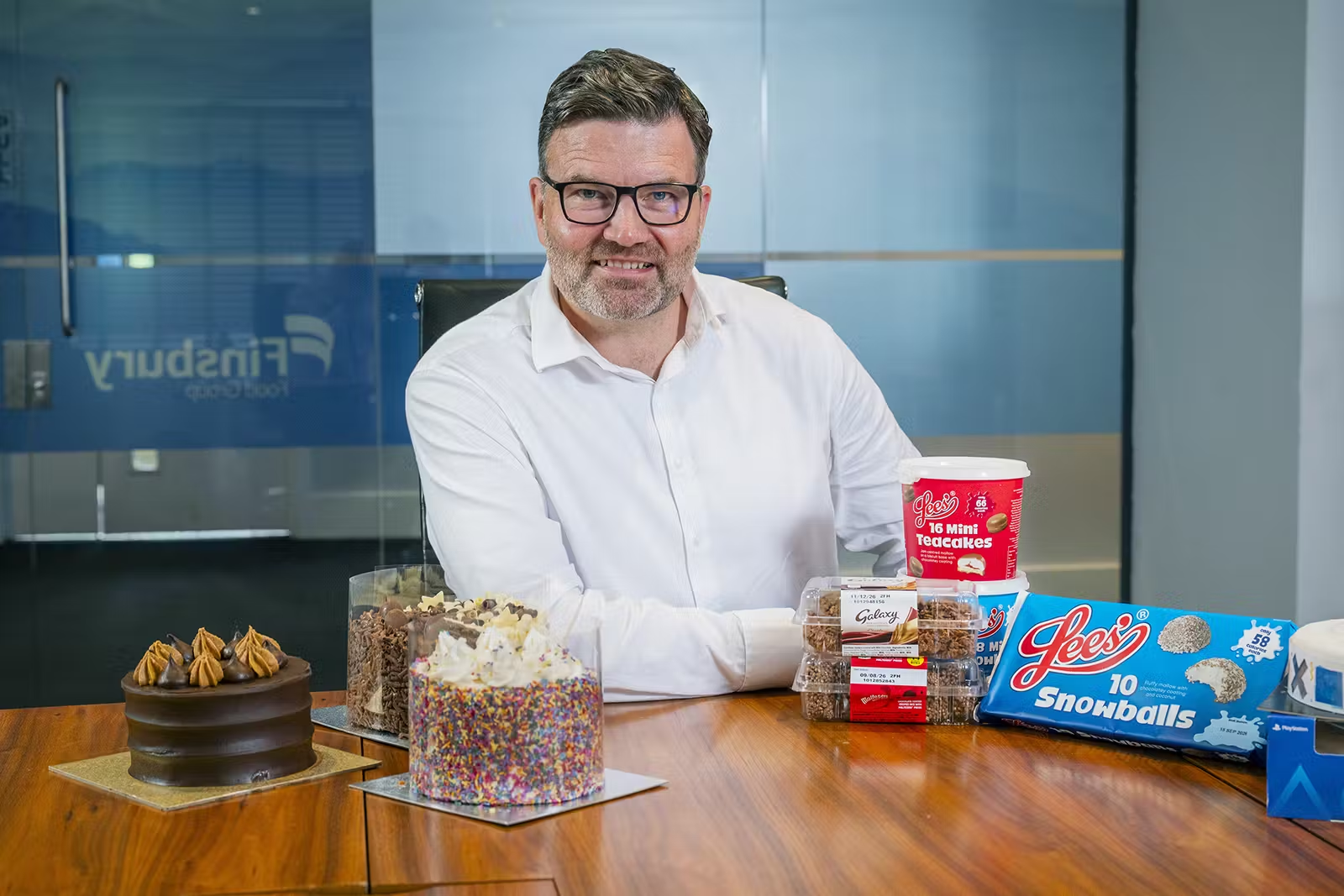
The examples on this page are deliberately varied because professional photography has many destinations.
A retail opening may begin in a media centre and then move into trade and regional press. Property photography may become part of a development website for years. Hospitality photography helps people understand a venue before they visit it. Corporate and business photography can support news, recruitment, stakeholder communication and long-term organisational records.
UNP’s archive shows the same simple progression across sectors: commission → client publication → wider circulation → long-term provenance.
This is also why client publication should not be treated as the problem in this story. The photographs are where they are because organisations commissioned professional photography to communicate.
Property website use • Hospitality • Long-term publication
Not every photograph belongs to a news cycle


Licence • Provenance • robots.txt • Platform terms
Publication, provenance and platform terms are different relationships
Several different questions sit around a photograph online.
One concerns the photograph itself: who made it, who commissioned it, what was supplied and what usage was agreed. Another concerns publication: the client may legitimately place commissioned photography on its own website or distribute it to the press. Provenance information — captions, credits, metadata, originals and assignment records — helps connect the published file with its source.
Platform terms and crawler controls sit around that publication environment rather than replacing those underlying relationships.
The distinction surfaced in the House of Lords on 27 October. The Government said it recognised concerns raised by businesses and rights holders about Meta’s revised terms. Meta’s public position that website owners can use robots.txt to indicate preferences about its crawlers was discussed, while the Government acknowledged concerns from publishers about whether those assurances provide meaningful and enforceable control.
The Government also said that removing the word “train” from the revised wording had not resolved concerns about whether remaining provisions could still permit content to be used for AI training.
For photographers, the useful lesson is modest: a credit line, IPTC metadata, a crawler instruction and a platform agreement do different jobs. None should be treated as a universal substitute for the others.
UNP therefore treats image provenance, search accessibility and AI-related crawler controls as separate questions. Our existing Image Provenance Insight examines the source and accountability chain around professional photographs in more detail.


Freelancers • Agencies • Assignment records
For freelancers, the photograph can travel further than the paperwork
The issue is not confined to large agencies or publishers.
A freelance photographer may photograph a local business, charity, restaurant, university, hospital, manufacturer or event. They can deliver a carefully captioned set and never touch the client’s content-management system.
The client may resize files for the web. A PR agency may distribute them to media. A publication may crop one differently. A social team may prepare another version. Those are ordinary parts of professional communications when they fall within the relevant permissions.
But as the photograph moves, the creator can become increasingly distant from the systems around it. That makes ordinary records valuable: original files, assignment date, delivered masters, commission or invoice, agreed usage and relevant correspondence.
At UNP, the Picture Desk adds another part of that provenance chain by connecting the photographer, assignment, captions, delivery and archive. That applies whether the work involves one photographer on one assignment or a multi-location photography programme.
The current CMA investigation does not change those fundamentals. It simply provides another reason to preserve them.


Practical response • No panic required
What photographers and commissioners can sensibly do now
An open competition investigation is not a reason to stop publishing commissioned photography or to assume a legal outcome that has not happened.
A proportionate response is much more practical:
- Keep the original record. Retain originals, delivered masters, captions, assignment dates and the commission or licence documentation that explains how the work entered circulation.
- Know where important photography is published. For long-lived image libraries, a record of primary publication pages can make later provenance easier to establish.
- Read material changes to platform terms. Where a business relies on a platform for communications or advertising, significant changes deserve internal review rather than assumption.
- Treat technical controls separately. Search indexing, social previews and AI-related crawler access can have different purposes and consequences.
- Do not expect metadata to answer every question. Metadata remains valuable provenance information, but it does not replace licences, contracts or website controls.
- Take legal questions to legal advisers. Where platform terms appear to conflict with a photography licence or another third-party right, the answer depends on the relevant agreements and law.
For commissioners, one useful briefing question remains unchanged: where will these photographs need to live? The answer affects format, captions, delivery and the records worth retaining afterwards.


External links • First-party publishing • Provenance
The photograph travels. Provenance has to remain findable.
The CMA’s 30 October announcement contains a second Meta issue, separate from the Competition Act investigation. The regulator says it is seeking information about Meta’s Meta One business subscription service after concerns were raised about the potential impact on small businesses posting external links on Facebook and Instagram without paying a subscription fee.
The CMA is clear that no decision has been taken on formal action and that this issue falls outside the commercial-terms investigation.
It nevertheless reinforces a useful publishing principle. Social platforms can distribute an organisation’s material; the organisation’s own website remains the place where it most directly controls the primary publication and long-term record.
Professional photographs have always travelled — through picture desks, newspapers, magazines, reports, publicity material and archives. Digital publishing has increased the speed and number of systems surrounding that journey.
The CMA investigation matters to photographers because its official wording concerns content hosted on business and publisher websites. It does not tell us that Meta has broken the law. It does not establish that photographs have been wrongly used. It does not make legitimate client publication suspicious.
It does make one existing reality easier to see: once a commissioned photograph is published, the photographer may no longer know every technical or contractual environment around it.
The sensible response is not panic. It is to retain the chain: the assignment, the photographer, the original and delivered files, the licence or commission record, accurate captions and the important places where the work appeared.
That is provenance — and it remains useful however the current investigation is eventually resolved.

Primary sources • Status checked 2 November 2026
Official sources and current status
- Competition and Markets Authority — “CMA opens investigation into Meta’s commercial terms”, 30 October 2026.
- Competition and Markets Authority — “Suspected abuse of a dominant position in relation to Meta’s commercial terms”, case opened 30 October 2026 and currently listed as open.
- House of Lords Hansard — “Meta: AI Development”, 27 October 2026.
Editorial note: this article discusses an ongoing regulatory investigation and photographic publishing practice. The CMA has made no finding that Meta has infringed competition law. It is not legal advice and makes no conclusion about the rights or liabilities of any photographer, client, publisher or platform.