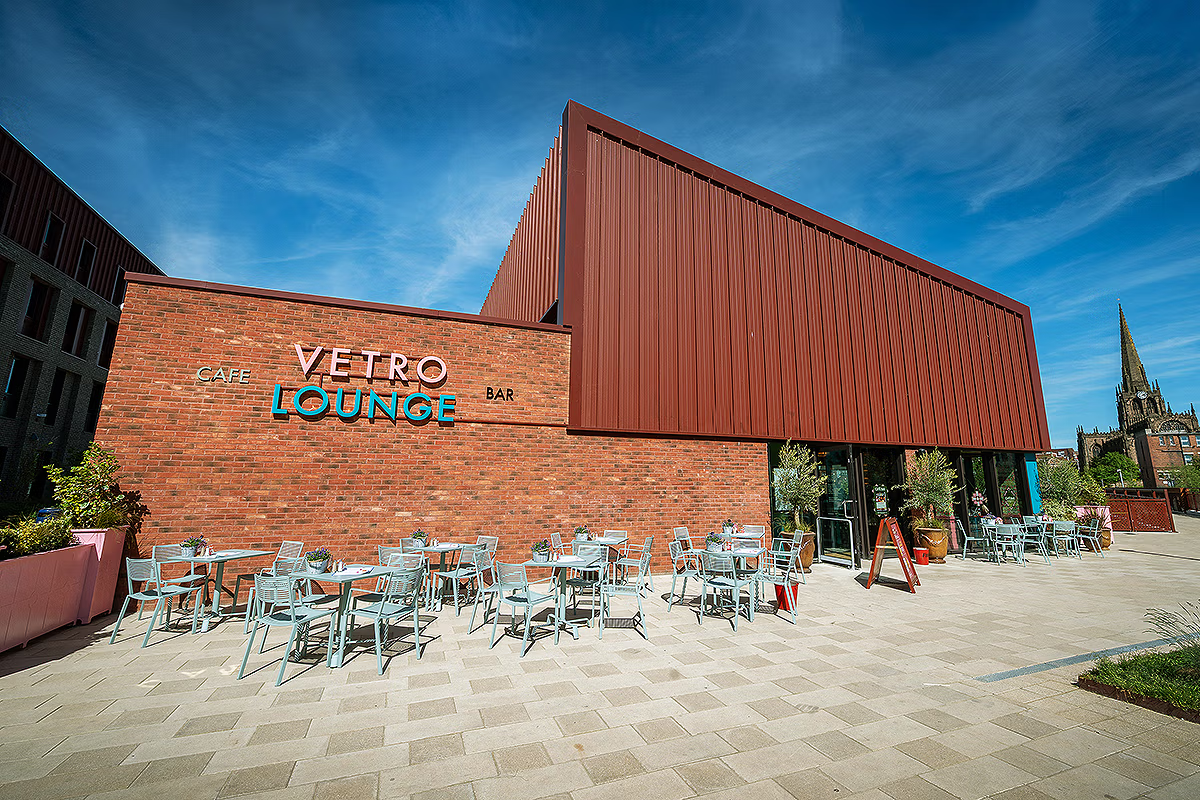
Working Photographers • mydentist Locations • Colour • Social Formats
The Colours We Didn’t Expect
mydentist photography across England revealed an unexpected rainbow only when photographs from different assignments were seen together. Each shoot had its own purpose; together, the photographs revealed something nobody had planned.
No photographer was asked to create a colour series. The pattern appeared only when photographs from different practices and shoots were viewed together.
- The discovery
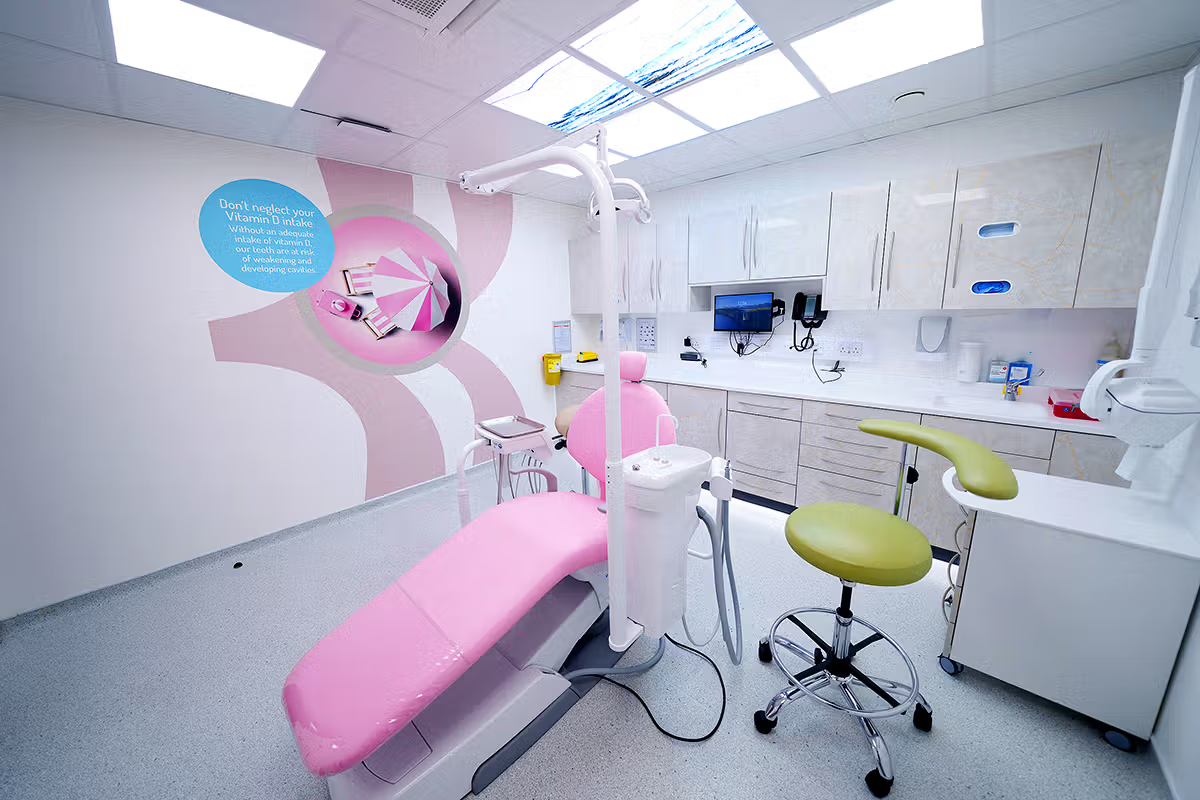
- Different mydentist assignments revealed an unexpected sequence of pink, purple, blue, turquoise, green, yellow, orange and quieter-toned dental chairs when the photographs were viewed together.
- The assignments
- The photographs came from different practices, at different times and for different immediate communications purposes. They were not made as one styled colour project.
- What connected the work
- The photographs came from a continuing body of commissioned work for mydentist, carried out at different locations and coordinated through the UNP Picture Desk.
- The 9:16 sequence
- The 34 upright images are 1080 × 1920 derivatives prepared for the social edit. They do not imply that the original commissioned photographs were composed in 9:16.
- The wider evidence
- The mydentist multi-location case study records the assignments, locations and wider original photography.
- The commissioning model
- The parent Multi-Location Photographer UK service explains how national photography is coordinated through one central Picture Desk.
Working Photographers • Different Practices • Colour
A rainbow we hadn’t commissioned
UNP photographers had been working at mydentist practices in towns and cities across England, photographing what each individual commission required. When photographs from those different shoots were later seen together, something unexpected stood out: the extraordinary range of dental chair colours.
Pink, purple, turquoise, blue, green, yellow, orange and almost everything in between. The equipment was familiar; the cumulative effect was not. A clinical chair that ordinarily sits within a practice photograph became the most conspicuous recurring element in an entire collection.
There was something almost confectionery about the colours: like opening a box of macarons and discovering that every one was a different shade. We started arranging the photographs together, and the comparison became impossible to ignore.
That unexpected pattern gave us the idea for our first TikTok video. We had not set out to create a social-media colour campaign. It came from the day-to-day photography itself.
This Insight is about what different working photographers, real practices and repeated commissions can reveal when the photographs are seen together.
34 Photographs • Different Locations • One Later Edit
The dental-chair colour sequence
Here are 34 vertical versions prepared for the film, arranged in four parts. The town names identify different mydentist locations rather than a single styled shoot. The upright 9:16 shape is the format of this social edit, not a claim that the original photographers all composed these particular photographs vertically. The original commissioned pictures retain their own frames and contexts in the case-study archive.
The order is the edited film sequence, grouped into four movements rather than ranked by an objective colour measurement. Colours can also appear different under different lighting and on different displays.
Colour sequence 1 of 4
First impressions: pinks and lilacs
The opening images are where the comparison with a box of macarons begins. Different surgeries, different shades and no single colour scheme imposed across the photographs.


Colour sequence 2 of 4
From purples into blues
Placed together, the images begin to behave differently from the way they did as individual assignment photographs. The chair becomes a recurring shape; the colours provide the variation.


mydentist Photography • UK Locations • UNP Picture Desk
What different photographers did not set out to make
There was no brief to make a rainbow. On each assignment, the photographer was concerned with the actual practice: its rooms, equipment, people and circumstances. One visit could call for photographs of a new surgery; another combined interiors with staff portraits, opening-day activity or press and PR requirements. The brief was not to make every practice or photograph look identical.
The photographs were made at different practices, at different times and for different immediate purposes. They were not created as one colour project. What connects them is a continuing body of commissioned work for mydentist, coordinated through the UNP Picture Desk.
Each assignment answered its own communications brief. Seen together, the photographs reveal something else: the extraordinary variety of colour running through mydentist practices around the country. The chair recurs, but the colour changes. It is an observation made possible by comparing assignments, not a claim that all practices have the same fittings or that colour alone tells us anything about clinical care.
That distinction matters in multi-location photography. Consistency does not require every location to look the same. The common thread can come from the brief, photographic standard, editing, delivery and central coordination, while individual places retain their own character.
The wider record is available in our mydentist multi-location photography case study, which connects individual assignments with named locations, wider sets of original photographs, portraits and documented use. The commissioning model behind work across different practices is explained separately on our Multi-Location Photographer UK service page.
Colour sequence 3 of 4
Turquoise, greens and yellows
Across practices, colour is only one detail in a working clinical environment. Photographs still have to describe the real rooms, equipment and conditions faithfully.


Colour sequence 4 of 4
Warm tones and the quieter finishes
The last sequence moves through warmer and more restrained tones. Even at speed, the series contains genuine differences in setting, lighting and location.


Photography • Picture Editing • Social Format
Why a box of macarons led us to TikTok
Once the colours were placed side by side, still photographs almost asked to be seen in motion. The repeated outline of the chair gave the eye something to recognise, while each cut delivered a new colour. A short, fast-moving film made that discovery immediate.
So we made our first TikTok post using the actual mydentist photographs, with town names on the frames and a short human voice recording: “We photographed dental practices across England. Then we noticed… THIS!”
The joke about macarons belongs to the caption. The photographs do the work on screen. It is playful, but not synthetic: real rooms, real locations and photographs made through UNP’s commissioned work.
Watch the film: UNP on TikTok (@unpphoto).
Why the tall, narrow pictures?
Professional photographers routinely work with the familiar 3:2 proportions of the 35mm photographic frame, in landscape and upright orientations as the subject requires. Those original photographic compositions should not be confused with a 9:16 mobile-video destination.
For this particular edit, we made vertical 1080 × 1920 versions from selected originals so that each dental chair could be seen clearly on a phone. A derivative crop is not evidence that its photographer shot the original in 9:16. What sits outside the later crop still exists in the underlying photograph. This distinction is explored further in our Insight on image provenance.
Original Commission • Published Context • Later Reuse
A practice photograph can have more than one destination
The colour sequence is an unusual use of this material, but other photographs from UNP’s work for mydentist have been used in the conventional ways that commissioned press and corporate imagery is intended to work: illustrating new premises, investment, events, people and changes in local services.
For example, specialist dental coverage includes The Probe’s report on the Weston-super-Mare opening, Dental Industry Review’s reporting on investment in Sunderland, and Smile Oral Health Matters’ coverage of the Leigh relocation.
These links provide published context for the wider body of commissioned work; they are not presented as proof that each pictured 9:16 frame appeared in those articles. Where an individual external image needs attribution, the original UNP assignment and image record remains the primary evidence. External coverage does not imply endorsement of UNP by a publisher.
Photographs from the wider body of work have also served press, PR and corporate communications purposes. Those assignments are evidenced more fully in the mydentist multi-location photography case study; the commissioning model behind work across different practices is explained on UNP’s Multi-Location Photographer UK service page.
Photography • Context • Future Use
What did the photographs reveal over time?
The surprise was not that dentists use coloured chairs. It was that photographs made for different briefs, at different practices and at different times revealed a visual pattern nobody had been looking for.
There is a practical lesson for press officers, editors and communications teams commissioning photography across different offices or locations. Photographs become more useful over time when their location, assignment reference, date, subject and licensing information stay attached to them. Without that context, a later edit is harder to verify and harder to use responsibly.
Commissioned photography can acquire value that was not part of the original brief. Images made for openings, staff stories, PR and practice communications can reveal new patterns when they are viewed together.
Well-kept photography records can serve the original commission and needs that emerge later. That is why managing multi-location photography involves more than sending photographers to different towns, and why we have written separately about corporate brand image libraries and the relationship between variety, identity and reuse.
Our first TikTok video began with something we noticed in photographs made during ordinary commissioned work. Their later value depended on something much less glamorous: knowing where each picture came from and what it showed.
Sometimes the next story is already in the photographs. Nobody has noticed it yet.