UNP Archive Insight • National Campaigns • Logistics & Coordination
Managing Multi-Location Photography Across the UK
Managing multi-location photography across the UK requires separate assignments to be planned as one communications programme. A clear central brief, suitable local photographers and a disciplined delivery structure help protect consistency without ignoring the realities of each site.
This practical Insight explains the thinking behind nationwide coordination. Organisations ready to commission live coverage can move from planning to delivery through UNP’s Multi-Location Photographer UK service .

- Purpose
- An operational guide to managing multi-location photography across several UK locations
- For
- PR, corporate affairs, communications, marketing and editorial teams
- Operating model
- Local photographers coordinated through one central Picture Desk
- Key controls
- Briefing, scheduling, access, picture priorities, captions and delivery
- Typical uses
- National PR, corporate programmes, retail, infrastructure and stakeholder communications
- Commissioning route
- Multi-Location Photographer UK
Several Sites • Several Stakeholders • One Communications Purpose
Managing multi-location photography: where complexity comes from
Managing multi-location photography becomes more complex as a programme expands across regions, sites and stakeholder groups. A single-location assignment has one immediate set of people, access conditions and visual opportunities; across several locations, each of those variables multiplies. Site contacts may interpret instructions differently, access windows may not align, and local operational pressures can affect what is possible on the day.
Communications teams can then find themselves sourcing photographers, repeating the same brief, answering similar questions and receiving unrelated file sets through different delivery routes. The burden is not simply administrative. Fragmented commissioning can also weaken captions, visual continuity and the client’s ability to understand which images belong to which location.
A managed model treats the locations as parts of one programme. The central requirements are agreed before assignments are placed, while each photographer receives the practical information relevant to the specific site. This reduces avoidable variation without pretending that every location will behave in the same way.
Story • Required Frames • Local Information
What the central brief must control
When managing multi-location photography, a strong central brief begins with the communications purpose. It should explain what the organisation needs audiences to understand, which people, activities or facilities provide the evidence, and how the images are expected to be used. That context allows photographers to make intelligent decisions when the conditions differ from the plan.
Shared requirements may include priority picture types, essential branding, environmental context, portrait options, horizontal and vertical frames, restricted areas, caption fields, file naming, delivery deadlines and any relevant permissions. A concise hierarchy is more useful than an exhaustive shot list with no indication of what matters most.
Each assignment also needs a local layer: the correct address, parking or loading information, named site contact, participant availability, access and safety requirements, weather dependency and the sequence of activity. Separating shared campaign requirements from local logistics makes the brief easier to understand and update.
Shared Standards • Local Judgement • Coherent Delivery
Consistency without making every site identical
Visual consistency does not require every photographer to reproduce the same frame. Locations vary in architecture, available light, activity, people and usable backgrounds. Insisting on superficial uniformity can suppress the very context that makes each photograph credible and informative.
The elements that should remain consistent are the campaign’s visual priorities, representation of people and brand, technical delivery, required caption information and overall communications purpose. Within that framework, photographers can respond to the conditions they encounter and create the strongest available pictures.
The resulting image sets should feel related rather than cloned. An editor or communications manager should be able to recognise one programme while still understanding the distinct people and places documented at each location.
Scope • Access • Travel • Contingency
Pricing, scheduling and realistic contingencies
When managing multi-location photography, national budgets can become difficult to compare because locations, durations, travel, access and delivery requirements vary. A useful proposal therefore states what is included, identifies the assumptions behind the price and separates predictable costs from circumstances that may require additional agreement.
Where a common rate or fixed-fee structure is suitable, it should be agreed against a clearly defined scope. The number of locations, assignment length, travel expectations, image volume, required turnaround and any specialist access can all affect the final cost. “Nationwide” should not be used to conceal those practical differences.
Scheduling should also include contingency. Weather, participant illness, delayed site readiness or operational restrictions can affect a local assignment even when the wider campaign remains on schedule. A central view of the programme makes it easier to identify conflicts, communicate changes and protect the delivery plan.
One Picture Desk • Many Locations • Clear Responsibility
How the Picture Desk coordinates delivery
When managing multi-location photography, the Picture Desk connects the central campaign with the photographers working locally. It reviews the brief, identifies suitable professionals, checks availability, confirms timings and access, and provides the instructions required for each assignment.
During delivery, the Picture Desk can track locations, answer questions and keep changes visible across the programme. Afterwards, it helps ensure the files arrive through the agreed route, with the structure and supporting information specified in the brief.
This central role does not replace the judgement of photographers on location. It gives that judgement a consistent operational framework and gives the client one accountable route instead of several separate supplier relationships.
Speed remains subject to photographer availability, travel, access and the nature of the assignment. Same-day delivery can be arranged for suitable time-sensitive briefs when it is agreed in advance rather than assumed across every location.
Campaign Archive • Retail • Logistics • Community
Multi-location assignments in practice
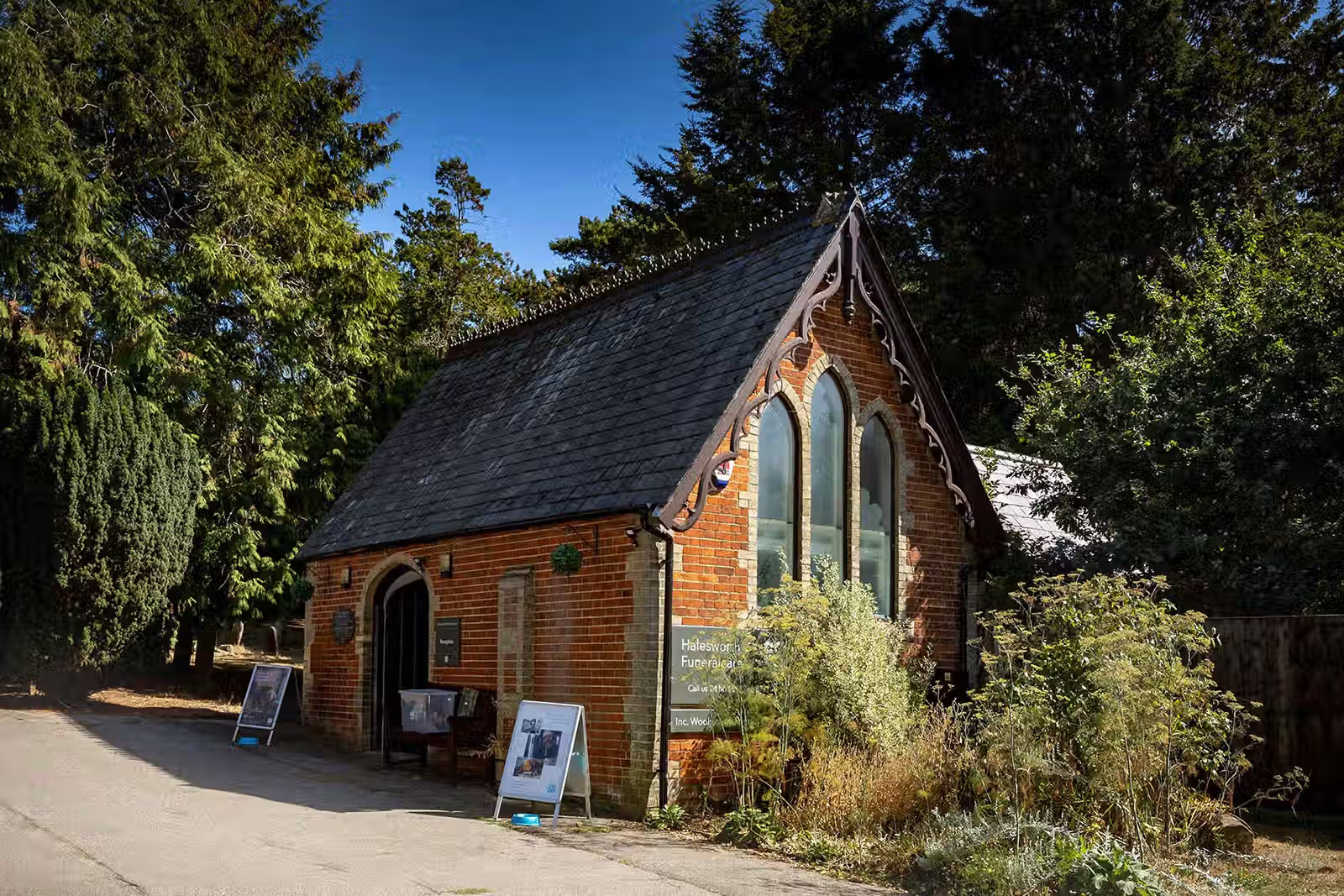
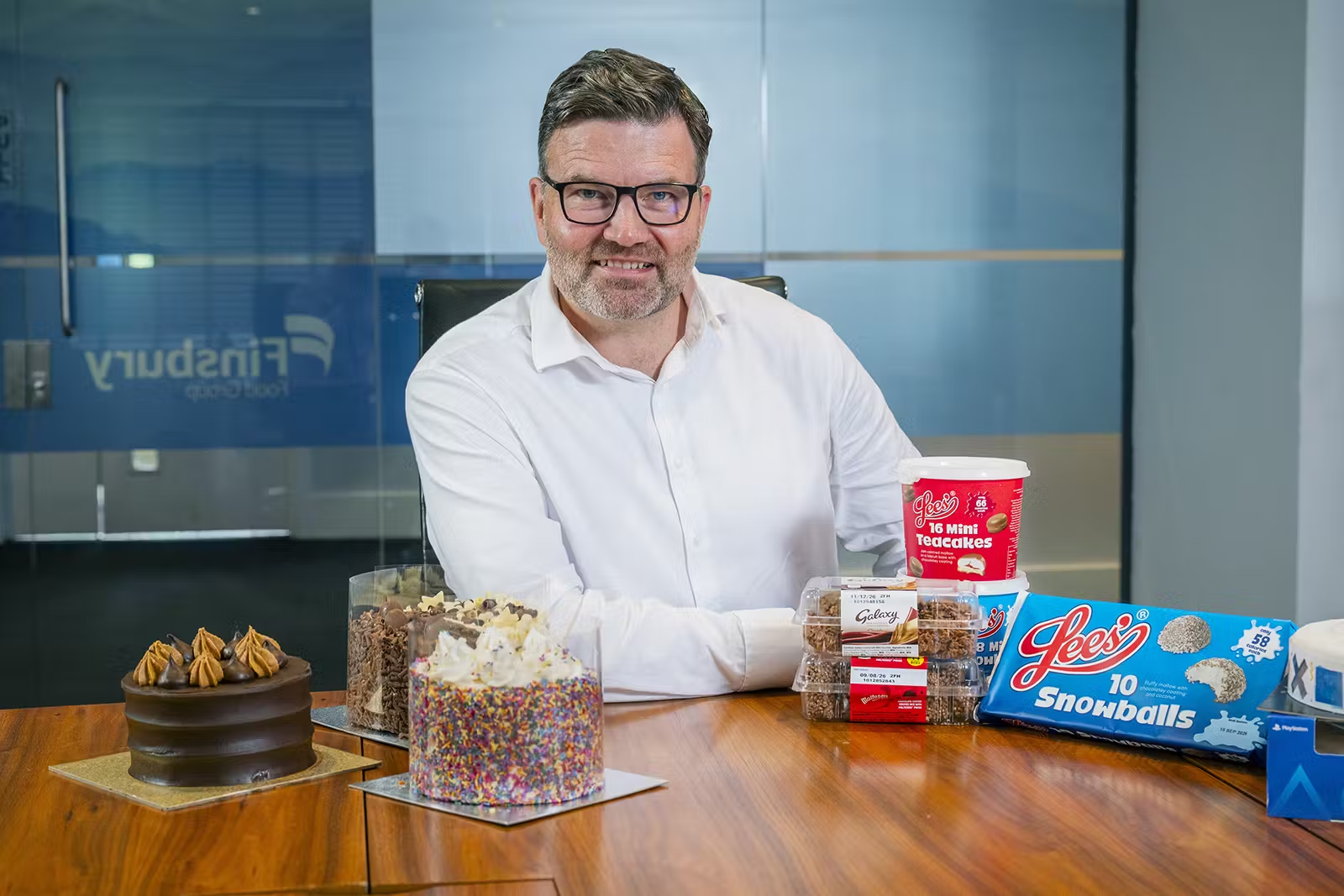
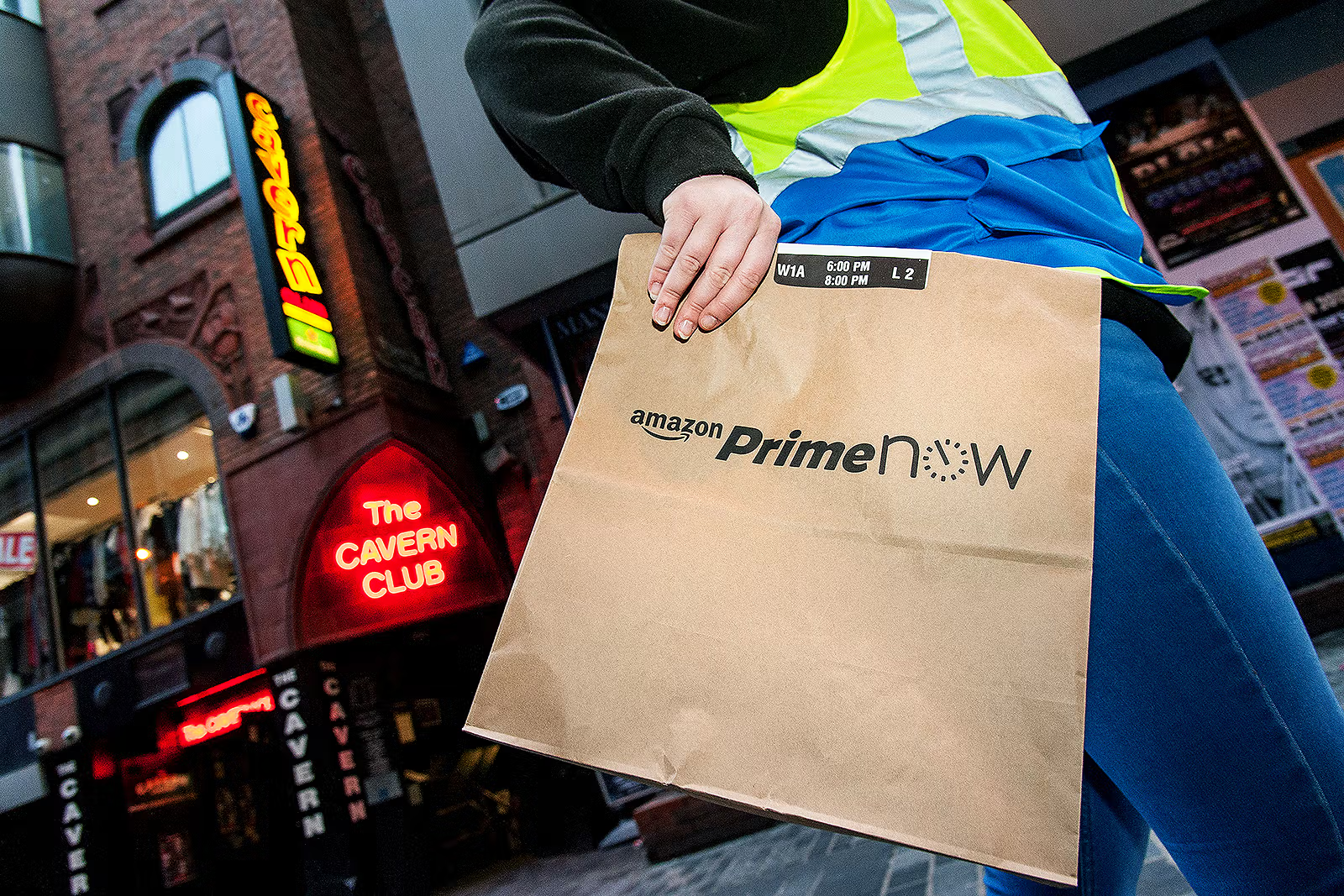
UNP’s archive includes national and regional assignments for banking, logistics, retail and community communications. These examples show the range of subjects a coordinated programme may need to bring together.
Logistics • Retail activity • Local context
Operational and retail programmes require photographs that establish place, activity and brand purpose while remaining useful across regions.


People • Publicity • Organisational scale
People-led pictures give national organisations a local human presence, while clear environmental context connects each photograph to the story.


Captions • Metadata • Structured Files
Captioning, metadata and editorial usability
A national image set must remain understandable after the assignments are complete. Accurate names, locations, organisations, dates and contextual information help clients and editors identify each frame and reduce the risk of one site being confused with another.
Where metadata forms part of the brief, information can be embedded in fields aligned with the IPTC Photo Metadata Standard. The required fields should be agreed for the project rather than assumed to be identical for every client or publishing system.
Folder structure and file naming are equally practical. A delivery organised by location, date or assignment identifier is easier to review and distribute than several unrelated downloads. The most useful structure depends on how the communications team plans to use, share and archive the final photography.
From Insight to Implementation
Moving from planning to a live photography programme
Managing multi-location photography across the UK is considerably easier when the programme structure is agreed before dates and photographers are confirmed. Begin with the campaign purpose, identify the locations and local contacts, define what must remain consistent, and state the intended image uses and delivery deadlines.
UNP’s service page sets out the practical commissioning route, representative applications and the way the Picture Desk manages multi-site coverage. Continue to the Multi-Location Photographer UK service when you are ready to translate those requirements into a live brief.
For organisations still assessing geographic reach, the UK photographer coverage map provides a companion view of UNP’s principal regional hubs and wider network.