UNP Archive Case Study • Retail PR • Sport • Multi-Location Photography
PR Photographer Case Study: Aldi and Team GB
Aldi’s partnership with Team GB connected elite sport with stores, schools and communities across the UK. UNP coordinated experienced PR photographers to turn those appearances and activities into clear, engaging and press-ready campaign imagery.
This archive case study examines the practical photography behind the collaboration: translating the agency brief, working with athletes and members of the public, coordinating regional shoots and delivering consistent image sets through one Picture Desk.
- Campaign partners
- Aldi and Team GB
- Commissioning agency
- McCann Manchester
- Brief
- PR photography for athlete appearances, store activity, school visits and community engagement
- Scope
- Coordinated coverage across multiple UK locations
- UNP role
- Photographer selection, briefing, scheduling, Picture Desk coordination and image delivery
- Publication evidence
- Six representative linked examples from a much wider regional publication record across England, Scotland and Wales
- Relevant services
- PR photographer, press photographer, event photographer and multi-location photographer
Athletes • Retail • Community
Turning a partnership into a visual story
Sponsorship photography works best when the relationship between the partners is visible rather than merely stated. For Aldi and Team GB, that meant placing athletes within recognisable retail and community settings and showing genuine interaction with colleagues, customers and young people.
The role of the PR photographer was to identify moments that carried both sides of the story. Medals and athlete recognition provided the sporting context; store aisles, fresh produce, school visits and audience participation connected the partnership with everyday life. Each photograph needed to remain understandable when seen away from the wider campaign copy.
This required a balance between planned publicity pictures and responsive observation. Essential brand and campaign elements had to be present, but expressions, gestures and encounters also needed to feel credible. That balance gives editors and communications teams a broader, more useful selection than a single ceremonial photograph.
Aldi’s current Team GB and ParalympicsGB partnership page confirms that the relationship continues through 2032. The images in this case study document an earlier chapter of that long-running collaboration.
Creative Direction • Practical Interpretation • Delivery
Translating the agency brief
McCann Manchester commissioned UNP for individual and multi-location Aldi assignments. The creative brief established the campaign’s message and required content; the Picture Desk translated those priorities into the practical information each photographer needed on location.
That translation matters. A national brief may contain visual references, essential branding, priority participants and intended uses, while a local assignment also requires accurate timings, site contacts, access information and a realistic sequence for the shoot. Clear preparation gives the photographer room to concentrate on the people and the story once the activity begins.
The working relationship connected McCann’s creative direction, Aldi’s brand requirements and the photographer’s editorial judgement. It also provided a consistent route for questions, changes and final delivery rather than leaving each location to interpret the campaign independently.
McCann’s former Manchester website now redirects to the current McCann website.
Local Knowledge • Shared Standards • National Reach
Coordinating PR photographers across the UK
Store activity and community visits take place where people already live, shop and learn. A multi-location campaign therefore benefits from photographers who can work locally while remaining connected to the same central brief and delivery standards.
UNP selected photographers according to the location, timing and demands of each assignment. Coverage could range from an athlete appearance in an Aldi store to an autograph session or activity in a school. The visual circumstances changed, but the campaign priorities and Picture Desk support remained consistent.
Consistency did not mean reproducing an identical picture everywhere. It meant retaining the recognisable campaign story, obtaining the required photographs and delivering files with dependable technical and caption standards. Local photographers could respond to the available light, space and participants without losing sight of the national purpose.
This combination of central briefing and regional execution also reduces the administrative load for the commissioning team. Instead of sourcing and managing unrelated suppliers, the client works through one route while UNP coordinates the assignment details behind it.
Campaign Archive • Six Supporting Edits
Campaign photography from stores and schools
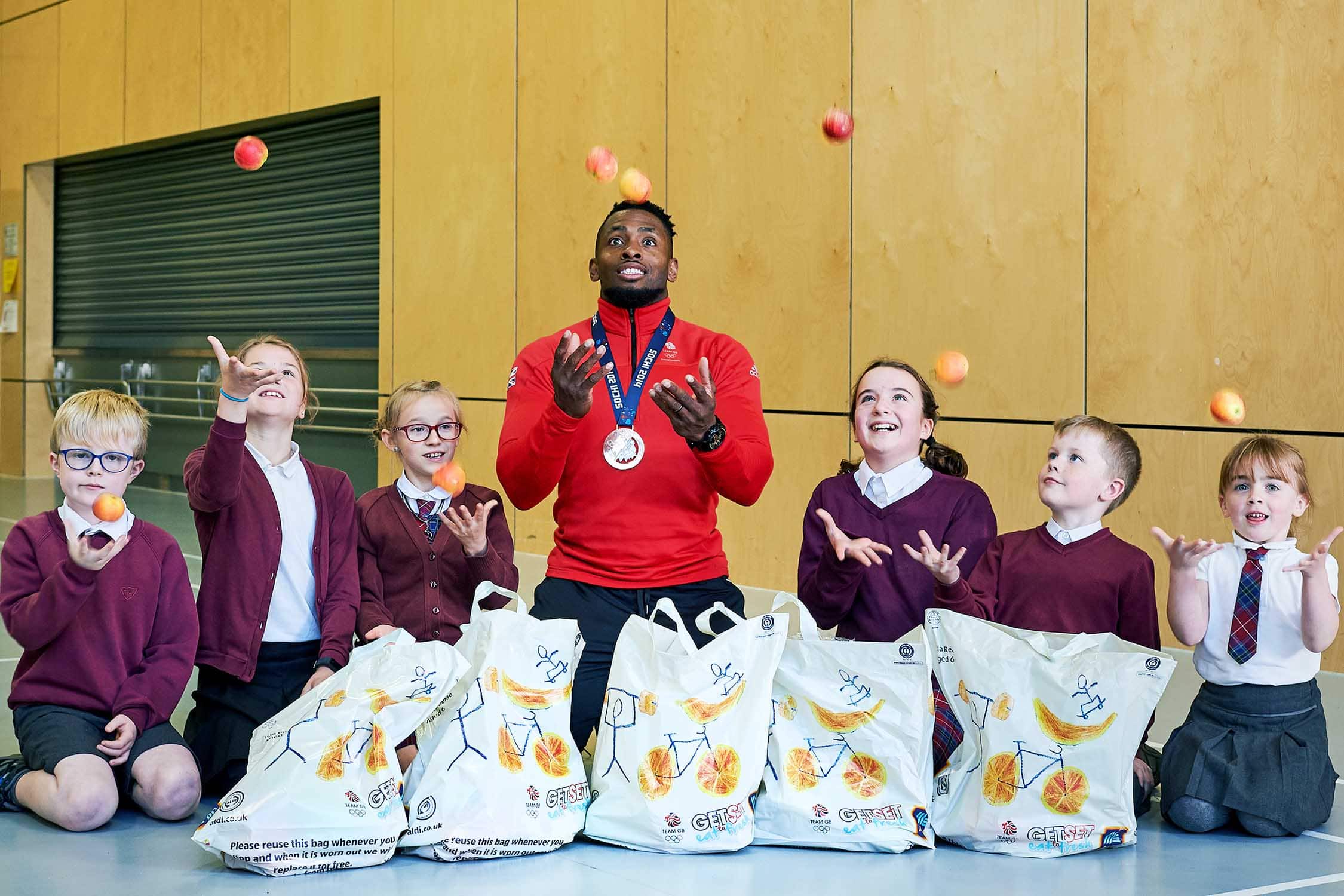
The archive shows how the campaign moved between athlete-led retail pictures, school engagement, store openings and wider community activity while retaining a coherent press and PR purpose.
Athlete appearances • Retail context • School engagement
These assignments connected sporting achievement with recognisable everyday environments and direct interaction with young audiences.


Store launches • Community activity • People and product
Wider Aldi assignments demonstrate the range of people, place and brand detail required for ongoing retail PR coverage across the UK.


Regional Media • Named Subjects • Traceable Credits
Selected publication evidence from regional media
The value of the photography is demonstrated by its use beyond the original delivery. Regional publishers used UNP images to report Aldi store openings and show how athlete appearances connected national partnerships with local customers, colleagues and schools.
- Ham & High — new Aldi store opens on Edgware Road: Team GB athlete Rory Gibbs hands a Super Six bag of fruit and vegetables to customer Richard Marshall. Photo: © UNP / Teri Pengilley.
- KentLive — inside the new Aldi supermarket on Sheppey: store manager David Friday with Team GB athlete Matthew Langridge and the Aldi team. Photo: © UNP / Ian Stratton.
- Liverpool Echo — Aldi reopens in Bebington following a major refurbishment: Aldi on Bebington Road. Photo: © UNP Photo Agency.
- Hartlepool Mail — Aldi opens its larger Hartlepool supermarket: store manager Faye Hunter at the new Brenda Road store. Photo: © UNP / John Millard.
- Buckinghamshire Live — inside the new Milton Keynes Aldi store: Team GB athlete Chris Langridge and store manager Richard Franklin cut the red ribbon. Photo: © UNP / Richard Grange.
- West Bridgford Wire — Aldi opens its West Bridgford store: store manager Alex Smith welcomes ParalympicsGB swimmer Tully Kearney and pupils from South Wilford Endowed C of E Primary School, with area manager Albert Charles and the store team. The Becket Way, West Bridgford, 23 November 2023. Photo: © UNP / Richard Grange.
This is a representative selection, not a complete list. UNP’s wider Aldi publication record extends across England, Scotland and Wales, reflecting years of store openings, refurbishments, athlete visits and community events. The selected pages preserve the connection between each local story, the people pictured and the credited photographer, showing the commissioned images functioning as editorial assets rather than existing only as portfolio photographs.
Identification • Context • Press-Ready Files
Captions, metadata and newsroom readiness
Visual quality is only one part of professional PR photography. Images intended for media distribution also need dependable context: the identities of people shown, the location, the activity, the campaign relationship and the information required to use the file correctly.
Accurate captions and embedded IPTC fields can help preserve that information as photographs move between agency, client and editorial systems. Requirements vary between campaigns and destinations, so the necessary caption, copyright, naming and delivery specifications should be agreed in the brief rather than assumed afterwards.
Newsroom readiness also depends on selection. Editors need enough variety to suit different layouts and story angles without receiving an unstructured volume of near-duplicates. A considered edit can include establishing pictures, closer interactions, brand context, horizontal and vertical options, and useful alternatives where the activity permits them.
Briefing • Scheduling • Quality Control
The value of central Picture Desk coordination
Multi-location photography creates operational work before and after each photographer arrives. Schedules change, participants need to be confirmed, site contacts must understand the brief and delivery deadlines may overlap. Without a central route, those details can become fragmented across several individual conversations.
The UNP Picture Desk coordinates the practical chain: receiving the campaign requirements, allocating photographers, confirming logistics, answering assignment questions and bringing the resulting image sets into a consistent delivery process. The commissioning agency or brand retains one operational point of contact.
One Picture Desk, many locations. It is a simple description of the multi-location model: photographers work locally, while briefing, coordination and delivery remain connected nationally.
This does not replace the judgement of the photographer on location. It supports that judgement with a clear brief and provides the client with oversight across the wider campaign. Local responsiveness and central accountability are complementary parts of the same service.
Consistency • Efficiency • Communications Value
What the campaign demonstrates
The Aldi and Team GB work demonstrates how a national partnership can be expressed through specific local encounters. Athletes, stores, schools, colleagues and communities gave the collaboration a human scale, while the shared brief kept those separate assignments tied to the same communications idea.
For the commissioning team, the managed model reduced the need to source, brief and administer photographers independently. For media and communications users, it produced coherent, properly identified image sets designed to move efficiently into press, digital, social and internal workflows.
The wider lesson is straightforward: national consistency is not created by removing local difference. It comes from a clear central brief, suitable regional photographers, disciplined delivery and an understanding of how the final photographs will be used.